A lesser-known member of the legume family, horse gram (Macrotyloma uniflorum) is a small, nutty-flavored bean that has been used for centuries in Asia and Africa. This humble little bean is gaining popularity in the western world as well, due to its many potential health benefits. Horse gram is a rich source of protein, fiber, iron and calcium. It also contains high levels of antioxidants and is believed to have anti-inflammatory and antibacterial properties. Horse gram has been used in traditional medicine for a number of conditions, including diabetes, obesity, kidney stones, urinary tract infections and even cancer (10). Let’s take a closer look at some of the most impressive health benefits of horse gram.
Horse Gram Nutritional Facts
Horse gram is a rich source of several key nutrients.
- Protein – like other legumes, horse gram is a great source of protein. Protein serves a variety of functions in the body, including building and repairing tissues, making enzymes and hormones, and providing structure to cells (16).
- Fiber – horse gram is also a good source of dietary fiber. Fiber helps to keep you regular, can lower cholesterol levels and help control blood sugar levels (9).
- Iron – this bean is especially rich in iron, which is essential for carrying oxygen in the blood and for proper immune function (17).
- Vitamin C – horse gram also contains a decent amount of vitamin C, an important nutrient for immune health and many other functions (24).
- Phosphorus – horse gram is a good source of phosphorus, a mineral that helps to build strong bones and teeth (15).
Horse Gram Benefits
Horse gram has a number of impressive health benefits to offer.
May Help With Weight Loss
Horse gram may help with weight loss due to its high protein and fiber content. Protein and fiber are both nutrients that have been shown to increase satiety and reduce food intake (14).
Studies on legumes in general have shown that they can lead to significant reductions in weight and cardiovascular risk factors (5).
That said, they must be eaten as part of a healthy, balanced diet and should not be relied upon as the sole method of weight loss.

May Help Lower Cholesterol
Horse gram may also help to lower cholesterol levels. This is due to its high fiber content, which can bind to cholesterol in the gut and prevent its absorption.
A study in rats found that horse gram extract reduced levels of total cholesterol, bad cholesterol, and triglycerides, all of which are risk factors for heart disease (1).
Read More: Cranberry Juice Benefits Female And How To Use It
May Help Control Blood Sugar Levels
It is necessary to mention among other horse gram benefits that it may also help to control blood sugar levels. This is due to its low glycemic index and high fiber content.
Glycemic index is a measure of how quickly a food raises blood sugar levels. Foods with a low glycemic index are slowly digested and absorbed, which helps to keep blood sugar levels stable (21).
Fiber also slows down the absorption of sugar into the bloodstream, which further helps to control blood sugar levels (23).
May Help Support The Immune System
Horse gram may also help to support the immune system. This is due to its high vitamin C and iron content. Vitamin C is an important nutrient for immune health, while iron helps to carry oxygen in the blood and is essential for proper immune function (17) (24).

May Help Protect Against Cancer
Horse gram may also help to protect against cancer. This is due to its high content of antioxidants and phytochemicals (10).
Antioxidants help to neutralize harmful free radicals that can damage cells and potentially lead to the development of cancer. Phytochemicals are plant-based compounds that have been shown to have cancer-protective properties (2).
May Help Improve Digestion
Horse gram may also help improve digestion. This is due to its high fiber content, which can help to keep you regular and prevent constipation. Fiber also helps bulk up stool and makes it easier to pass (9).
May Help Promote Heart Health
Horse gram may also help promote heart health. This is due to its high fiber and potassium content. Fiber can help lower cholesterol levels, while potassium helps regulate blood pressure (9) (22). Both of these are risk factors for heart disease.
This legume also contains a compound called saponin, which has been shown to have potential cholesterol-lowering and anti-inflammatory properties (18).
Betterme will keep you laser-focused on your weight loss journey! Nutrient-packed meal plans, fat-blasting workouts, galvanizing challenges and much more. Try using the app and see for yourself!

May Help Lower Inflammation
Horse gram may also help to lower inflammation (10). This is due to its high antioxidant and nutrient content. Antioxidants help to neutralize harmful free radicals that can damage cells and lead to inflammation (8). They often also have anti-inflammatory effects.
Nutrients like vitamin C and iron are also essential for proper immune function and may help reduce inflammation (24).
Chronic inflammation is a risk factor for many chronic diseases, such as heart disease, cancer, and Alzheimer’s disease (8).
May Help Treat Menstrual Disorders And Leucorrhoea
Leucoorrhoea is a white vaginal discharge that can occur due to various causes, such as infections, hormonal imbalances, or pregnancy.
Horse gram has been traditionally used to treat menstrual disorders and leucorrhoea. This is due to its high iron content, which can help replenish iron levels in the body especially in women with heavy menstrual bleeding (3).
Iron is an essential nutrient for proper blood health and can help to treat these conditions.
Protects Liver Function
This legume offers a healthy dose of flavonoids and polyphenols. These are antioxidants that scavenge harmful toxins and protect cells from damage. They also help keep the liver healthy so it can do its many jobs, including detoxification (13).
These nutrients are highest in raw horse gram. However, they are also present in cooked horse gram.
May Help Relieve Cold And Flu Symptoms
Horse gram is a good source of zinc. This mineral is essential for proper immune function and might help relieve cold and flu symptoms or even shorten the duration of these illnesses (19).
Read More: Raw Honey Benefits Weight Loss: How To Use Raw Honey For Weight Loss

Side Effects Of Horse Gram
Eating too much of this legume can cause:
Gastrointestinal Discomfort
Horse gram contains a type of carbohydrate called raffinose, which is known to cause gas and bloating (11). If you are not used to eating foods high in fiber, you may want to start slowly to allow your digestive system to adjust.
Poor Nutrient Absorption
Horse gram contains antinutrients like phytic acid and tannins, which can bind to minerals like iron and calcium and prevent their absorption (10). Soaking or cooking this legume can reduce its antinutrient content.
Kidney Stones
Horse gram contains a compound called oxalate, which binds to calcium in the kidney and can lead to the formation of kidney stones (4). If you are at risk for kidney stones, you may want to limit your intake of this and other legumes.
Interactions
If you take any medications, it’s always best to check with your doctor before adding anything new to your diet, including horse gram. This is because it contains compounds that can interact with certain medications.
Allergic Reactions
Horse gram can also cause allergic reactions in some people (7). Symptoms may include itching, swelling, and difficulty breathing. If you experience any of these symptoms, it’s best to avoid this legume.
Pregnant and breastfeeding women should also talk to their doctor before eating horse gram. This is because there is not enough research on its safety during these times.
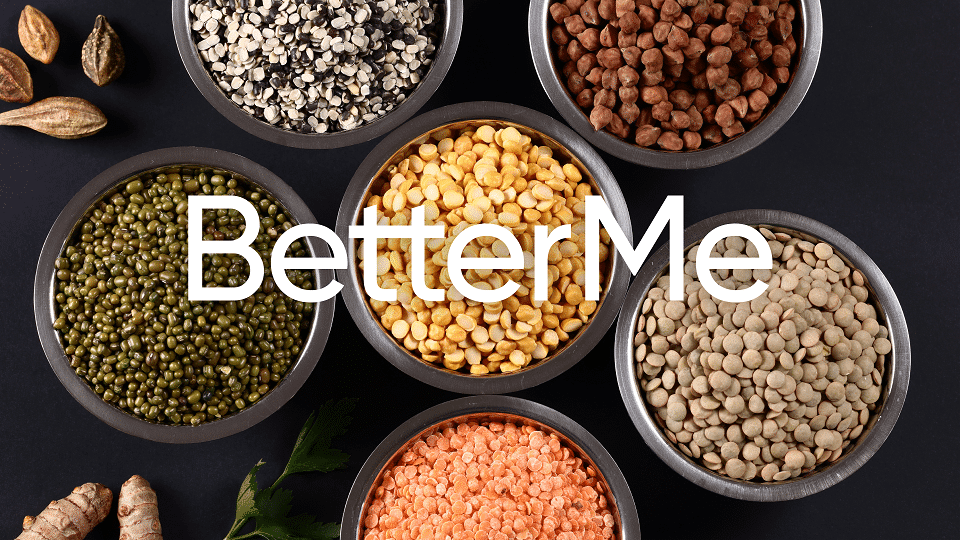
How To Prepare And Eat Horse Gram For Maximum Horse Gram Benefits
This versatile legume can be cooked in a variety of ways.
Sprouted
Sprouting horse gram is said to help reduce its antinutrient content and make it more digestible.
To sprout this legume, soak it in water overnight. The next day, drain the water and rinse the horse gram. Place it in a loosely covered container and allow it to sprout for two to three days. Once it has sprouted, it can be cooked or added to salads.
Cooked
Horse gram can also be cooked like other beans. It can be boiled, pressure-cooked, or stewed. This legume has a strong, earthy flavor that pairs well with spices like cumin, turmeric, and chili pepper.
It can also be added to soups, curries, or rice dishes.
As Flour
Horse gram flour can be used in a variety of recipes, including flatbreads, pancakes, and dumplings.
It can also be used as a gluten-free alternative to wheat flour.
BetterMe app will kick you out of the mental funk, shake off your extra weight, rid you off your energy-zapping habits, and help you sculpt the body of your dreams. Intrigued? Hurry up and change your life for the better!

Horse Gram Recipes
Here are some recipes that include horse gram:
Horse Gram Dal (12)
This dal is a staple in many Indian households. It’s simple to make and can be served with rice or roti.
Ingredients:
- 1 cup horse gram, soaked overnight
- 1 onion, chopped
- 2 cloves garlic, minced
- 1 teaspoon grated ginger
- 1 green chili pepper, sliced
- 1 teaspoon cumin seeds
- 1 teaspoon turmeric powder
- 1 teaspoon coriander powder
- 1 tablespoon ghee or oil
- 2 cups water
- Salt to taste
- Cilantro for garnish
Instructions:
- In a pressure cooker, combine the horse gram, onion, garlic, ginger, chili pepper, cumin seeds, turmeric powder, and coriander powder.
- Add the ghee or oil and water. Pressure cook for three to four whistles.
- Let the pressure release naturally and then open the cooker.
- Add salt to taste and simmer for five minutes.
- Garnish with cilantro and serve hot.
Horse Gram Sprouts Salad (20)
This salad is a great way to use sprouted horse gram. It’s packed with nutrients and makes a healthy and filling meal.
Ingredients:
- 1 cup horse gram, soaked overnight and sprouted
- 1 carrot, grated
- 1 cucumber, chopped
- 1 tomato, chopped
- 1 onion, chopped
- 1 green chili pepper, sliced
- 1 tablespoon lemon juice
- 1 teaspoon cumin powder
- Salt to taste
- Cilantro for garnish
Instructions:
- In a bowl, combine the sprouted horse gram, carrot, cucumber, tomato, onion, chili pepper, lemon juice, cumin powder, and salt.
- Mix well and garnish with cilantro. Serve immediately.
Horse Gram Benefits: The Bottom Line
Horse gram is a versatile legume that can be used in many different ways. It’s high in nutrients and offers a variety of potential health benefits. However, it also contains some compounds that can cause side effects. If you’re considering adding this legume to your diet, be sure to speak with your doctor first.
DISCLAIMER:
This article is intended for general informational purposes only and does not serve to address individual circumstances. It is not a substitute for professional advice or help and should not be relied on for making any kind of decision-making. Any action taken as a direct or indirect result of the information in this article is entirely at your own risk and is your sole responsibility.
BetterMe, its content staff, and its medical advisors accept no responsibility for inaccuracies, errors, misstatements, inconsistencies, or omissions and specifically disclaim any liability, loss or risk, personal, professional or otherwise, which may be incurred as a consequence, directly or indirectly, of the use and/or application of any content.
You should always seek the advice of your physician or other qualified health provider with any questions you may have regarding a medical condition or your specific situation. Never disregard professional medical advice or delay seeking it because of BetterMe content. If you suspect or think you may have a medical emergency, call your doctor.
SOURCES:
- Antihypercholesterolemic effect of Macrotyloma uniflorum (Lam.) Verdc (Fabaceae) extract on high-fat diet-induced hypercholesterolemia in Sprague-Dawley rats (2013, pubmed.ncbi.nlm.nih.gov)
- Antioxidant Phytochemicals for the Prevention and Treatment of Chronic Diseases (2015, mdpi.com)
- A Review of Clinical Guidelines on the Management of Iron Deficiency and Iron-Deficiency Anemia in Women with Heavy Menstrual Bleeding (2020, link.springer.com)
- Assessment of calcium oxalate crystal inhibition potential, antioxidant activity and amino acid profiling in horse gram (Macrotyloma uniflorum): high altitude farmer’s varieties (2020, ncbi.nlm.nih.gov)
- Associations between Dietary Pulses Alone or with Other Legumes and Cardiometabolic Disease Outcomes: An Umbrella Review and Updated Systematic Review and Meta-analysis of Prospective Cohort Studies (2019, academic.oup.com)
- Eating, Diet, & Nutrition for Kidney Stones (2017, niddk.nih.gov)
- Effect of horse gram lectin (Dolichos biflorus agglutinin) on degranulation of mast cells and basophils of atopic subjects: identification as an allergen (2006, pubmed.ncbi.nlm.nih.gov)
- Free radicals, antioxidants and functional foods: Impact on human health (2010, ncbi.nlm.nih.gov)
- Health benefits of dietary fiber (2009, academic.oup.com)
- Horse gram- an underutilized nutraceutical pulse crop: a review (2015, ncbi.nlm.nih.gov)
- In vitro fermentation of raffinose by the human gut bacteria (2018, pubmed.ncbi.nlm.nih.gov)
- Kulthi dal | horse gram lentil recipe (2021, secondrecipe.com)
- Modulation of Metabolic Detoxification Pathways Using Foods and Food-Derived Components: A Scientific Review with Clinical Application (2015, hindawi.com)
- Optimising foods for satiety (2015, sciencedirect.com)
- Phosphorus – Health Professional Fact Sheet (2021, ods.od.nih.gov)
- Protein Function – Molecular Biology of the Cell – NCBI Bookshelf (2002, ncbi.nlm.nih.gov)
- Review on iron and its importance for human health (2014, ncbi.nlm.nih.gov)
- Saponins from edible legumes: chemistry, processing, and health benefits (2004, pubmed.ncbi.nlm.nih.gov)
- Self-Care for Common Colds: The Pivotal Role of Vitamin D, Vitamin C, Zinc, and Echinacea in Three Main Immune Interactive Clusters (Physical Barriers, Innate and Adaptive Immunity) Involved during an Episode of Common Colds—Practical Advice on Dosages and on the Time to Take These Nutrients/Botanicals in order to Prevent or Treat Common Colds (2018, hindawi.com)
- Sprouts Salad (2022, .indianhealthyrecipes.com)
- The concept of low glycemic index and glycemic load foods as panacea for type 2 diabetes mellitus; prospects, challenges and solutions (2016, ncbi.nlm.nih.gov)
- The importance of potassium in managing hypertension (2011, pubmed.ncbi.nlm.nih.gov)
- The Role of Fiber in Energy Balance (2019, hindawi.com)
- Vitamin C and Immune Function (2017, mdpi.com)